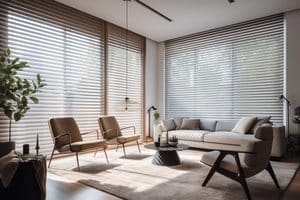
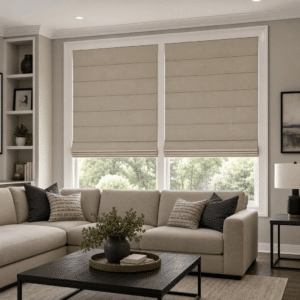
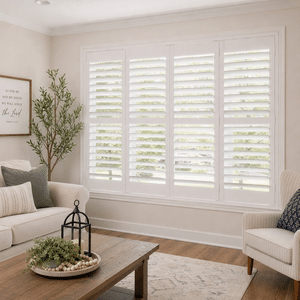
Choosing the right window treatments for your Houston home starts with understanding what each room needs, not simply deciding which style looks best.
Houston homeowners often need to balance several priorities at once: strong sunlight, afternoon heat, privacy, glare, humidity, room design, and everyday convenience. The right shutters, blinds, or shades should solve those practical needs while also complementing your home’s architecture and interior style.
Before comparing products, start by asking what you need your window treatments to do.
Start With These 5 Questions Before Choosing Window Treatments
A simple decision process can make choosing between shutters, blinds, shades, and other window treatments much easier.
1. How much sunlight does the room receive?
Walk through your home at different times of day.
A west-facing living room may experience intense afternoon heat and glare, while an east-facing bedroom may become very bright early in the morning.
Consider whether you want to:
- Filter natural light
- Reduce glare
- Block strong sunlight
- Darken the room for sleeping
- Protect furniture and flooring from excessive sun exposure
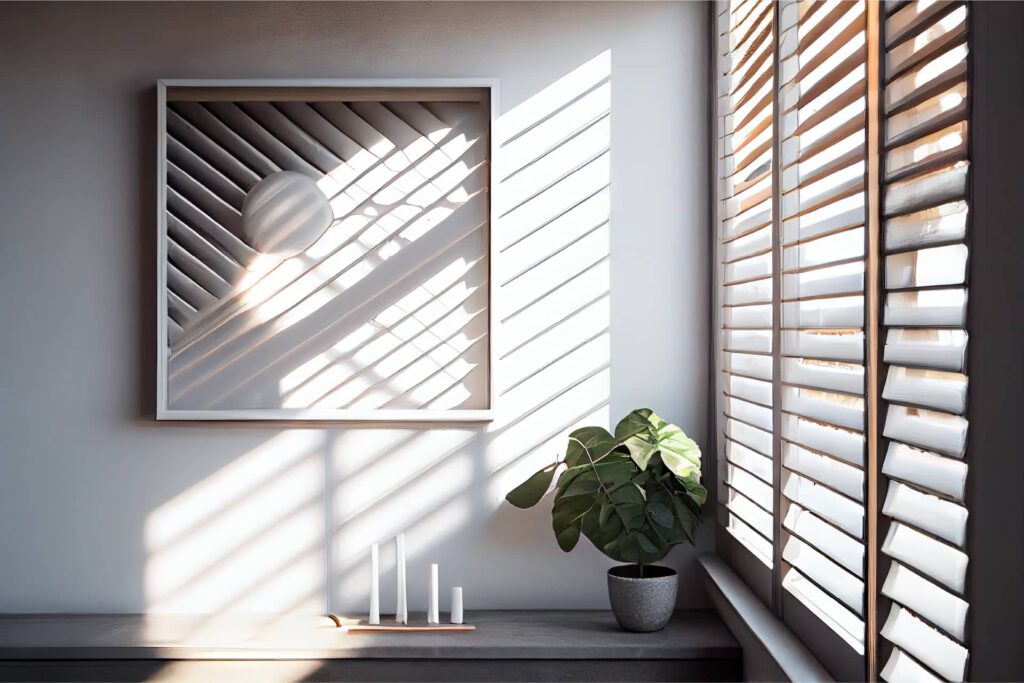
The amount and direction of sunlight should influence both the type of window treatment and the material you choose.
2. How much privacy do you need?
Privacy requirements can vary significantly from one room to another.
Street-facing windows, bathrooms, bedrooms, and homes positioned close to neighboring properties may need more coverage than windows overlooking a private backyard.
Shutters and blinds offer adjustable privacy because their louvers or slats can be tilted while still allowing some natural light into the room.
Shades provide broader coverage and can be selected in different opacity levels depending on how much privacy you need.
3. Is heat or glare a concern?
Houston’s climate makes heat and sunlight important considerations when choosing window treatments.
Rooms with large windows or strong afternoon sun can become noticeably warmer and may experience uncomfortable glare on televisions, computer screens, and other surfaces.
Solar shades, cellular shades, shutters, and other carefully selected window coverings can help manage sunlight while keeping the space comfortable and usable.
4. How will you use the window treatment every day?
Think about how often you expect to adjust it.
A treatment that stays mostly closed in a guest bedroom has different requirements from a shade covering a patio door that your family opens several times a day.
For large, tall, or difficult-to-reach windows, motorized window treatments may offer additional convenience.
5. What is your budget and long-term priority?
Some homeowners are looking for a practical solution for several windows at once. Others want a more permanent architectural upgrade or are focusing first on a few high-impact rooms.
Knowing your priorities helps determine where it makes sense to invest in custom shutters, motorization, layered treatments, or other upgrades.
Which Window Treatment Is Best for Your Main Priority?
There is no single window treatment that is best for every Houston home.
The right choice depends on what you want the treatment to accomplish.
| Your Main Priority | Options to Consider |
| Adjustable privacy | Shutters or blinds |
| Strong Houston sunlight | Solar shades, shutters, or light-control shades |
| Bedroom darkness | Room-darkening or blackout shades |
| Humidity resistance | Faux wood blinds or moisture-conscious shutter materials |
| Architectural appearance | Plantation shutters |
| Simple light control | Blinds |
| Soft decorative look | Roman shades or woven shades |
| Large windows | Roller shades or motorized treatments |
| Hard-to-reach windows | Motorized shades |
| Added insulation | Cellular shades |
| Natural texture | Woven wood shades |
This is only a starting point. Window size, room conditions, style, and budget should also influence your final selection.
Shutters vs. Blinds vs. Shades: What’s the Difference?
Understanding the basic differences between the most common window treatments can help narrow your options.
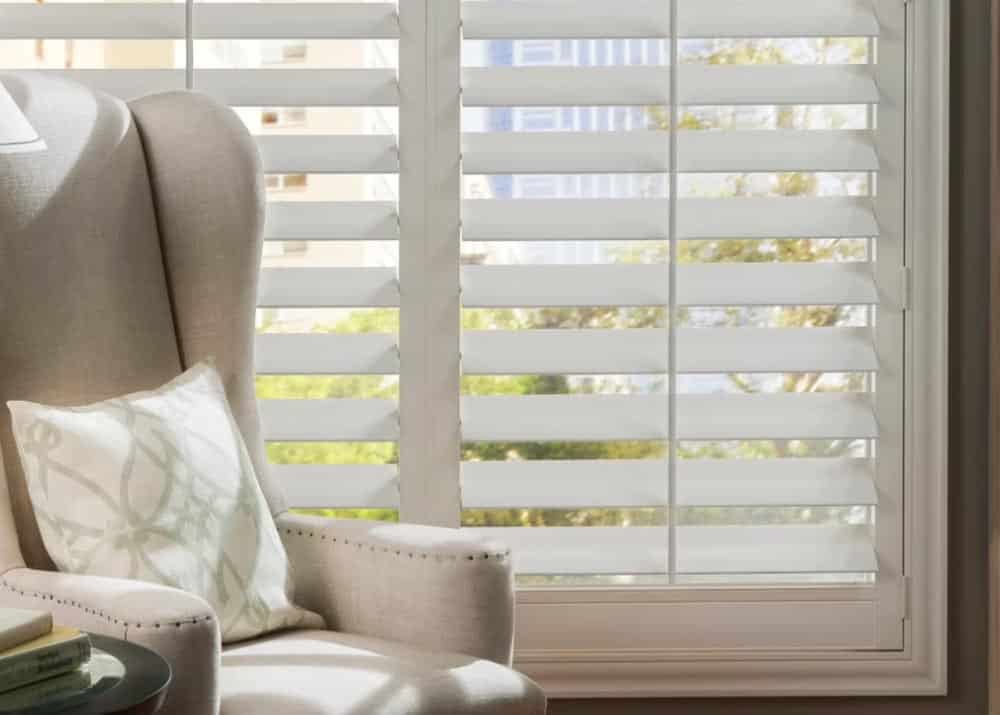
Shutters
Shutters create a more architectural, built-in appearance.
Their adjustable louvers allow you to control light and privacy without necessarily covering the entire window. They work well in many living rooms, bedrooms, dining rooms, and street-facing spaces.
Plantation shutters are particularly versatile because they complement traditional, transitional, and contemporary interiors.
For Houston homeowners, material selection is important. Humidity, direct sunlight, and room conditions should all be considered when selecting shutters.
Blinds
Blinds are a practical and versatile option for homeowners who want straightforward light and privacy control.
They can be raised completely or adjusted using the slats, giving you flexibility throughout the day.
Wood blinds offer a warm, traditional appearance, while faux wood blinds can be useful in rooms where humidity, durability, or easy cleaning are priorities.
Blinds are often a good option when homeowners want dependable functionality across multiple rooms while maintaining control over project cost.
Shades
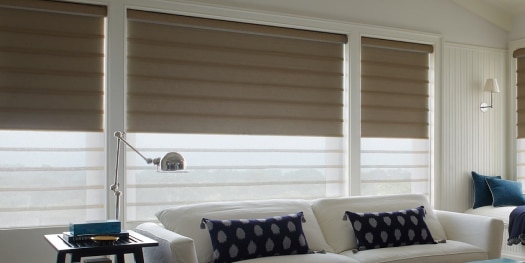
Shades raise and lower as a panel and are available in many different fabrics, materials, and opacity levels.
Different types of shades solve different problems.
Roller shades offer a simple, streamlined appearance and work particularly well in modern interiors or on larger windows.
Cellular shades can provide additional insulation and help improve comfort.
Roman shades bring softness and fabric detail into the room.
Woven wood shades add natural texture and warmth.
Solar shades can help manage glare and intense sunlight while maintaining a clean, contemporary look.
How Houston’s Climate Should Affect Your Choice
Choosing window treatments in Houston is not exactly the same as choosing them in a cooler or less humid climate.
Heat, bright sunlight, humidity, and strong afternoon exposure can all affect how a room feels and how certain materials perform over time.
For strong afternoon sun
Consider treatments designed to help manage sunlight and glare, such as solar shades, shutters, or shades with stronger light-control fabrics.
For humid rooms
Bathrooms, kitchens, and laundry rooms may benefit from materials selected with moisture and easy maintenance in mind.
For rooms that feel hotter than the rest of the house
Pay particular attention to window direction, glass area, and the amount of direct sunlight entering the space.
For rooms with screens
Home offices and media rooms may need adjustable treatments that reduce glare without making the room unnecessarily dark throughout the entire day.
Houston homeowners should think about window treatments as part of the room’s overall comfort, not simply as decoration.
Choose Window Treatments Room by Room
A whole-home window treatment plan does not mean installing exactly the same product on every window.
Different rooms have different requirements.
Living Rooms
Living rooms often need a balance between natural light, glare control, privacy, and appearance.
Shutters, woven shades, roller shades, or layered treatments can all work depending on the home’s design and sun exposure.
Bedrooms
Privacy and sleep comfort are usually the biggest priorities.
Room-darkening or blackout shades can help reduce morning light, while shutters can provide adjustable privacy and a more architectural appearance.
Kitchens
Durability and ease of cleaning are important.
Treatments near sinks, cooking areas, or high-traffic spaces should be selected with moisture and daily use in mind.
Bathrooms
Privacy is essential, but many homeowners still want natural light.
Moisture-conscious shutters, blinds, or suitable shades can provide privacy without making the room feel completely closed off.
Home Offices
Screen glare can become a major issue, especially during certain times of day.
Adjustable blinds, solar shades, and light-filtering shades can help control brightness while maintaining a comfortable workspace.
Media Rooms
Stronger light control may be appropriate for rooms primarily used for television or movies.
Room-darkening or blackout options can create better viewing conditions.
Patio Doors and Large Windows
Large expanses of glass require treatments that operate smoothly and do not interfere with everyday traffic.
Roller shades, vertical solutions, panel-style systems, or motorized window treatments may be worth considering.
Are Motorized Window Treatments Worth It in Houston?
Motorization can be especially useful for large windows, two-story spaces, hard-to-reach windows, or treatments that need to be adjusted frequently.
Instead of manually opening and closing each shade, compatible motorized systems can allow you to control treatments using options such as remotes, wall controls, apps, schedules, or smart-home integrations.
Motorized window treatments can be particularly practical when you want to manage afternoon sunlight consistently.
For example, west-facing shades can be scheduled to close during the brightest part of the afternoon and reopen later.
Before ordering motorized treatments, consider:
- Window size
- Accessibility
- Power source
- Control preferences
- Smart-home compatibility
- How frequently the treatment will move
- Whether motorization provides enough everyday value to justify the upgrade
Motorization is best considered early in the design process because product compatibility and power requirements can affect the final solution.
Why Custom Window Treatments Can Make a Difference
Custom window treatments are designed around the actual dimensions and conditions of your windows.
This can be particularly valuable in Houston homes with:
- Tall windows
- Extra-wide windows
- Arched windows
- Bay windows
- Large glass doors
- Unusual trim
- Different window sizes throughout the house
Precise measurement helps window treatments look intentional and operate correctly.
Custom options also allow you to select materials, colors, opacity levels, mount styles, finishes, and operating systems based on each room rather than trying to make a standard product fit every situation.
You do not necessarily need the same treatment throughout the entire home.
For example, you might choose plantation shutters for street-facing rooms, blackout shades for bedrooms, solar shades for a home office, and woven shades in a breakfast area while maintaining a consistent palette throughout the house.
Common Mistakes to Avoid When Choosing Window Treatments
One of the biggest mistakes homeowners make is choosing a product based only on appearance.
A treatment can look beautiful in a sample or showroom and still be frustrating if it does not work well with the window or the room.
Avoid these common mistakes:
- Ignoring the direction of sunlight
- Choosing before considering privacy at night
- Using moisture-sensitive materials in humid spaces
- Forgetting how the window opens
- Ordering before deciding between inside and outside mount
- Underestimating afternoon glare
- Choosing the same treatment for every room regardless of function
- Selecting a product based only on the lowest price
- Forgetting how frequently the treatment will need to be adjusted
A better approach is to make decisions in this order:
- Function: What does the treatment need to accomplish?
- Room conditions: Consider sunlight, heat, humidity, privacy, and traffic.
- Fit and operation: Make sure it works with the window itself.
- Design: Choose colors, textures, materials, and finishes.
- Upgrades: Add motorization, layering, or specialty features where they provide real value.
This process helps prevent style from overshadowing everyday usability.
Not Sure Which Window Treatment Is Right for Your Houston Home?
With so many shutters, blinds, shades, materials, fabrics, and operating systems available, homeowners do not always need to make the decision alone.
A professional window treatment consultation can help identify how sunlight enters each room, where privacy is needed, which materials make sense for Houston’s climate, and which options fit your style and budget.
Bottom Dollar Blinds works with Houston homeowners to compare window treatment options based on the actual needs of their homes.
Rather than choosing a product first and trying to make it fit the room, the goal is to identify the right combination of function, fit, design, and value.
Whether you are considering plantation shutters, custom blinds, roller shades, cellular shades, woven shades, or motorized window treatments, professional measurements and product guidance can make the selection process much easier.
Contact Bottom Dollar Blinds to request a consultation and explore window treatment options for your Houston home.
Frequently Asked Questions About Houston Window Treatments
What are the best window treatments for Houston homes?
There is no single best option for every home. Houston homeowners should consider sunlight, heat, humidity, privacy, room use, style, and budget. Shutters, blinds, roller shades, cellular shades, solar shades, and other treatments each solve different problems.
Are plantation shutters a good choice for Houston?
Plantation shutters can be a strong option for Houston homeowners looking for adjustable light control, privacy, durability, and an architectural appearance. The appropriate shutter material should be selected based on room conditions, moisture, sunlight, and other factors.
What window treatments are best for Houston heat?
The best option depends on the window and room, but solar shades, cellular shades, shutters, and other light-control treatments may help manage intense sunlight and improve comfort. West-facing windows often deserve particular attention because of strong afternoon exposure.
What window treatments work best in humid rooms?
Bathrooms, kitchens, and laundry rooms should use materials appropriate for moisture and regular cleaning. Faux wood blinds and certain shutter materials may be better suited to these environments than moisture-sensitive materials.
Should every room have the same window treatments?
No. Different rooms often require different solutions. Bedrooms may prioritize darkness and privacy, while home offices may focus on glare control and living rooms may need a balance of light, privacy, and design. A consistent color or finish can help different treatments feel cohesive throughout the home.
Are custom window treatments worth it?
Custom window treatments can be particularly useful for unusual window sizes, large windows, specialty shapes, and homeowners who want greater control over material, color, fit, light filtering, and operation.
Are motorized window treatments worth the investment?
Motorization can be valuable for hard-to-reach windows, large shades, frequently adjusted treatments, or homeowners who want scheduled or smart-home control. Whether it is worthwhile depends on the window, daily routine, and budget.
How do I know which shutters, blinds, or shades to choose?
Start by identifying your most important need for each room: privacy, sunlight control, darkness, heat management, convenience, or appearance. Then compare products based on how well they solve that need. A professional consultation can also help evaluate your windows and narrow the available options.