Compare options to find the best window coverings Texas homes prefer.
Texas homeowners have several shutter styles to choose from, and the right option usually depends on heat, sunlight, privacy needs, home style, and budget. The most common choices include plantation shutters, café shutters, full-height shutters, tier-on-tier shutters, solid panel shutters, exterior decorative shutters, rolling shutters, and storm-rated options. This guide breaks down the main types of shutters in Texas so you can compare them with other window coverings Texas homes often use, including shades and different types of blinds.
Comparing Shutter Styles for Texas Heat, Light, and Privacy
The best shutters for Texas homes are usually the ones that balance light control, insulation, durability, and style. In a state known for bright sun, hot afternoons, sudden storms, and a wide range of home designs, shutters should do more than look attractive. They should help manage glare, support privacy, and stand up to everyday use without feeling fussy.
For many homeowners, interior plantation shutters are the most versatile choice because they suit traditional, transitional, farmhouse, and modern interiors. Composite or faux wood shutters are also popular where moisture, heat, or heavy sunlight may be a concern. Exterior shutters can add curb appeal, while rolling or storm shutters may be worth considering in areas where security, severe weather, or added protection matters.

Interior plantation shutters are the classic Texas choice
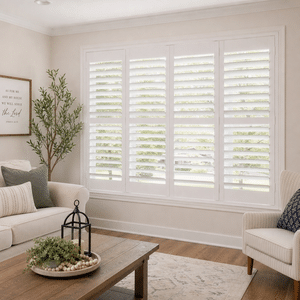
Plantation shutters are one of the most recognizable styles of texas window shutters. They feature wide louvers that tilt open or closed, giving homeowners flexible control over light, airflow, and privacy. Their clean lines work well in many Texas homes, from suburban new builds to ranch-style houses and updated historic properties.
The main appeal is control. You can angle the louvers to reduce harsh afternoon glare while still letting daylight into the room. In bedrooms, bathrooms, offices, and living areas, plantation shutters also create a built-in look that feels more permanent than many fabric treatments.
Plantation shutters may be made from real wood, composite, vinyl, or other engineered materials. Wood offers natural warmth and a refined finish, while composite materials can be practical in high-use spaces or rooms where moisture and heat are part of daily life. For large Texas windows, a well-fitted shutter can also make the room feel more finished without needing layers of curtains.
Popular plantation shutter options
- Wood plantation shutters: Best for homeowners who want a classic, furniture-like finish and natural character.
- Composite shutters: A practical choice for durability, especially in active homes or rooms with changing temperatures.
- Vinyl or PVC shutters: Often considered for bathrooms, laundry rooms, and other moisture-prone spaces.
- Wide louver shutters: Good for a more open view and a cleaner modern appearance.
- Narrow louver shutters: Better suited to traditional looks or smaller windows where proportion matters.
Café shutters create privacy without blocking all the light
Café shutters cover only the lower portion of the window. This makes them useful for street-facing rooms, breakfast nooks, kitchens, and bathrooms where you want privacy at eye level but still want natural light from above. In Texas neighborhoods where homes sit close together, this style can be a smart compromise.
They also add charm. Café shutters often feel relaxed and architectural, especially in older homes, cottage-inspired interiors, and casual dining spaces. Because they do not cover the full window, they can make a room feel brighter and more open than full-height shutters.
The tradeoff is that café shutters do not provide complete light control or full privacy at night unless paired with another treatment. If the upper glass remains uncovered, light will still enter, and visibility from outside may depend on the room’s lighting and window placement. For homeowners comparing shutters with other window coverings Texas suppliers offer, café shutters are best seen as a targeted solution rather than a whole-home answer.
Full-height shutters offer a clean, complete look
Full-height shutters cover the entire window from top to bottom. They are one of the most popular shutter layouts because they look balanced, provide strong privacy, and suit almost any room. If you want a simple, polished treatment that does not require fabric panels or extra layers, this style is easy to live with.
Many full-height shutters include a divider rail, which separates the upper and lower louvers. That allows you to open the top section for daylight while keeping the lower section closed for privacy. In sunny Texas rooms, this feature can be especially helpful during different parts of the day.
Full-height shutters work well in bedrooms, living rooms, dining rooms, offices, and front-facing windows. They are also a strong option for tall windows because they visually frame the glass and make the window feel intentional. If your home has several window sizes, full-height shutters can create consistency throughout the interior.
Tier-on-tier shutters give the most flexible control
Tier-on-tier shutters have separate upper and lower panels that operate independently. You can swing open the top panels while keeping the bottom panels closed, or adjust each section separately for light and privacy. This style is especially useful for rooms that face sidewalks, neighboring homes, or busy streets.
Compared with café shutters, tier-on-tier shutters provide more complete coverage. Compared with standard full-height shutters, they offer more movement and customization. That flexibility can be valuable in Texas homes where bright sunlight shifts dramatically from morning to afternoon.
The main consideration is visual busyness. Because tier-on-tier shutters have more panel lines, they can look detailed on smaller windows. They tend to work best where the added function is worth the more layered appearance.
Solid panel shutters bring traditional character
Solid panel shutters do not have adjustable louvers. Instead, they use solid sections of wood or another material to cover the window. Historically, these shutters were used for insulation, privacy, and protection, and today they are often chosen for style and room-darkening benefits.
Inside the home, solid panel shutters can create a cozy, traditional feel. They may suit formal rooms, historic-inspired interiors, bedrooms, or spaces where strong privacy matters. When closed, they block more of the view and light than louvered shutters, which can be a benefit or a drawback depending on the room.
Because they offer less fine-tuned light control, solid panel shutters are not always the first choice for everyday living spaces. However, they can be a beautiful option when design character is the priority. In the right setting, they feel substantial, tailored, and timeless.
Exterior shutters add curb appeal and architectural detail
Exterior shutters are installed on the outside of the home and are often chosen for appearance. Common styles include louvered shutters, raised panel shutters, board-and-batten shutters, and Bahama-style shutters. On Texas homes, they can help emphasize window proportions and complement brick, stone, stucco, siding, or painted exteriors.
Decorative exterior shutters should match the home’s architecture. Board-and-batten shutters may suit farmhouse, cottage, and rustic homes, while raised panel shutters often look more traditional. Louvered exterior shutters can work across many styles, especially when the scale and color are chosen carefully.
Some exterior shutters are purely decorative, while others are operable or protective. Before choosing them, consider whether you want visual appeal only or a functional product that can close over the window. The hardware, mounting style, and material all influence how authentic and durable the finished look feels.
Rolling and storm shutters focus on protection
Rolling shutters are designed to roll down over windows or doors, often from a housing mounted above the opening. They may be considered for security, light blocking, privacy, or weather protection. In parts of Texas where severe storms are a concern, some homeowners also look into storm-rated shutter systems.
These shutters are more functional than decorative. They can be useful for patio doors, large windows, vacation properties, commercial spaces, or homes where added protection is a priority. Depending on the product, operation may be manual or motorized.
Because performance needs can vary, it is important to understand what a specific shutter is designed to do. A decorative shutter is not the same as a storm shutter, and a privacy shutter is not automatically rated for severe weather. If protection is the goal, homeowners should ask about materials, installation requirements, and any relevant performance ratings before making a decision.

Shutter materials matter in the Texas climate
Material choice is just as important as style. Texas homes can experience intense sun, humidity, dust, and temperature swings, so the wrong material may fade, warp, or become difficult to maintain. The best option depends on the room, the window exposure, and how much maintenance you are willing to do.
Common shutter materials to compare
| Material | Best for | Things to consider |
|---|---|---|
| Real wood | Warm, classic interiors and premium finishes | May require more care in moisture-prone areas |
| Composite | Everyday durability and a painted shutter look | Often heavier than wood, depending on design |
| Vinyl or PVC | Bathrooms, laundry rooms, and humid spaces | May have fewer finish options than wood |
| Aluminum | Rolling, security, and some exterior applications | More functional than decorative in many cases |
| Engineered materials | Consistent finish and practical performance | Quality varies by manufacturer and construction |
A sunny west-facing window may call for a different solution than a shaded bedroom window. Kitchens and bathrooms may need moisture-resistant materials, while formal living areas may benefit from wood’s natural finish. If your goal is long-term performance, do not choose by appearance alone.
How do shutters compare with blinds and other coverings?
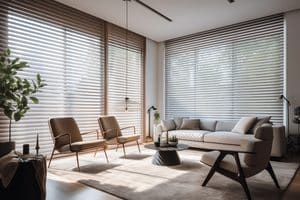
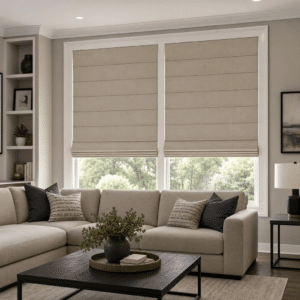
Shutters are usually more architectural and permanent than many types of blinds, while blinds are often lighter, more flexible, and easier to change. Blinds can be a good fit for homeowners who want a simple window treatment at a lower commitment level, while shutters are often chosen for their built-in look, durability, and strong light control. The right choice depends on whether you value permanence, adjustability, softness, cost, or design impact most.
Blinds come in several forms, including wood blinds, faux wood blinds, vertical blinds, aluminum blinds, and cellular-style options. Some are excellent for basic privacy and sun control, while others are better for sliding doors or wide windows. They can also be easier to replace if your style changes.
Shutters, on the other hand, tend to feel like part of the home. They frame the window, add structure, and can reduce the need for additional treatments. For homeowners exploring window coverings Texas homes commonly use, the decision often comes down to whether the window needs a flexible covering or a more permanent design feature.
A simple checklist for choosing Texas window shutters
Before selecting a shutter style, look at how the room actually functions throughout the day. A window that looks beautiful in the morning may become too bright or hot in the afternoon. Privacy needs can also change after sunset when interior lights are on.
Use this checklist to narrow your options:
- Identify the room’s main need. Decide whether privacy, light control, heat management, style, or protection matters most.
- Check the window exposure. West- and south-facing windows may need stronger glare control than shaded windows.
- Consider moisture levels. Bathrooms, laundry rooms, and kitchens may benefit from moisture-resistant materials.
- Match the home’s style. Choose shutter proportions, colors, and panel layouts that fit the architecture.
- Think about daily operation. Make sure panels, louvers, or rolling mechanisms are easy to use.
- Compare shutters with blinds. If you want a lighter or more changeable option, review the types of blinds before committing.
- Plan for consistency. Decide whether one shutter style should carry through the home or whether each room needs a different solution.
This process helps prevent choosing shutters based only on a showroom sample or online photo. The best shutters are the ones that solve a real need in the room where they will be used.
Style, function, and climate should guide the final decision
The main types of shutters in Texas each serve a different purpose. Plantation shutters offer everyday versatility, café shutters provide targeted privacy, full-height shutters create a finished look, tier-on-tier shutters maximize control, solid panel shutters add character, exterior shutters boost curb appeal, and rolling or storm shutters focus on protection.
If you are comparing texas window shutters with other window coverings Texas homeowners rely on, start with the room rather than the product. Notice the sunlight, privacy concerns, moisture, architecture, and how often you open or close the treatment. Once those needs are clear, choosing the right shutter style becomes much easier—and the finished result will feel like it belongs in the home, not just on the window.
If you’re comparing shutter options for your Texas home, the right material, fit, and design can make just as much difference as the shutter style itself.
Bottom Dollar Blinds offers custom plantation shutters in wood, faux wood, and poly options, with professional measurements and installation to help ensure the right fit for your windows and your home. Contact our team for a free estimate and let us help you find a window treatment that fits your style, privacy needs, and budget.