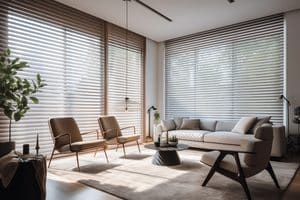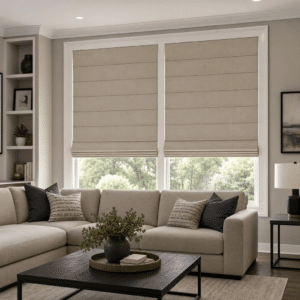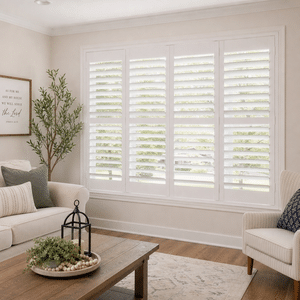
Roller blinds are one of the simplest ways to control light, add privacy, and finish a room without overwhelming the decor. The right choice depends on where the blind will be used, how much light you want to filter or block, and which fabric, color, and operating style fit your daily routine. Use the roller blinds selection tips below to compare practical needs first, then narrow your options by style.
Start with Light, Privacy, and Everyday Use
Start by deciding what job the blind needs to do in each room. Choosing roller blinds is much easier when you separate function from appearance: a bedroom may need blackout fabric, a kitchen may need a wipeable material, and a street-facing living room may need daytime privacy without making the space feel dark.
Before looking at colors or patterns, ask three simple questions: how much light enters the room, how much privacy do you need, and how often will the blind be used? A sunny home office might need glare control for screens, while a nursery or guest room may call for better room darkening. Once the purpose is clear, the best roller blinds for that space become much easier to identify.

Match the fabric to the room
Fabric is the heart of any window roller blinds decision. It affects light, privacy, maintenance, and the overall mood of the room. Many people start with color, but fabric type has a bigger impact on how comfortable the room feels throughout the day.
Light-filtering fabrics
Light-filtering roller blinds soften daylight while still allowing brightness into the room. They work well in living rooms, dining areas, and spaces where you want a calm glow rather than complete darkness. These fabrics can reduce harsh sunlight, but they usually do not provide full privacy at night when lights are on inside.
Choose light-filtering fabric if your goal is to make a room feel airy and welcoming. It is especially useful in rooms that face a garden, courtyard, or low-traffic area where privacy is not the main concern.
Blackout fabrics
Blackout roller blinds are designed to block light more effectively, making them a smart choice for bedrooms, media rooms, and nurseries. They can help create a darker environment for sleep or screen viewing, especially when fitted carefully inside or outside the window recess.
Keep in mind that “blackout” fabric does not always mean zero light around the edges. Small gaps can appear depending on the mounting style and window shape. If maximum darkness matters, consider an outside mount that overlaps the window frame.
Moisture-resistant and easy-clean fabrics
Bathrooms, kitchens, and laundry rooms need practical materials. Look for moisture-resistant or wipeable fabrics in spaces where steam, splashes, and cooking residue are common. These roller blinds styles keep the look neat while making everyday care easier.
Avoid delicate textures in rooms with heavy moisture unless they are specifically suited to that environment. A beautiful fabric that stains or warps quickly will not feel like a good choice for long.
Choose the right opacity and privacy level
Opacity describes how much light passes through the blind. Privacy describes how much people can see through it. The two are connected, but they are not identical, so it helps to think about day and night use separately.
For example, a sheer or translucent blind may provide some daytime screening, but it can become less private after dark when indoor lights are on. A blackout blind gives stronger privacy, but it also removes most natural light when lowered. The best option often depends on when the room is used most.
Use this quick guide:
- For bedrooms: Choose blackout or room-darkening fabric for sleep and privacy.
- For living rooms: Consider light-filtering fabric if you want brightness with softened glare.
- For bathrooms: Select moisture-resistant fabric with strong privacy.
- For home offices: Look for glare reduction, especially on windows facing direct sun.
- For street-facing rooms: Prioritize privacy during both day and evening use.
If a room has changing needs, you may want to combine roller blinds with curtains. This gives you daytime flexibility and a softer layered look at night.
Roller blinds styles that shape the look of a room
Roller blinds are often chosen for their clean lines, but they are not limited to plain white fabric. The style you choose can either blend quietly into the room or become a design feature.
Neutral blinds are popular because they work with changing furniture, paint colors, and accessories. White, cream, gray, and beige are safe choices for a calm, minimal look. If the room already has strong colors or patterned wallpaper, a simple roller blind can keep the window from feeling busy.
Patterned or textured fabrics can add interest in a more understated way than curtains. A subtle weave brings warmth to modern interiors, while a bolder pattern can suit a playroom, creative workspace, or casual dining area. The key is balance: if the rest of the room is simple, the blind can carry more personality.
For a streamlined finish, consider how visible the roller tube and brackets will be. Some designs include cassettes or fascia covers for a more polished appearance. This detail is especially useful in contemporary spaces where clean edges matter.
Should roller blinds fit inside or outside the window recess?
Roller blinds can be fitted inside the recess for a neat built-in look or outside the recess for better coverage and stronger light control. Inside mounting is tidy and space-saving, while outside mounting can hide uneven frames and reduce light gaps.
An inside recess fit works well when the window frame is deep enough and clear of handles or obstructions. It keeps the blind close to the glass and helps maintain a simple profile. This option is often preferred in modern rooms where you want the blind to sit cleanly within the window opening.
An outside recess fit is useful when you need extra privacy, improved blackout performance, or a way to make a small window appear larger. The blind can extend beyond the frame on each side, helping block side light and giving the window a more generous look.
Before ordering, measure carefully and check whether handles, tiles, trim, or inward-opening windows will affect the fit. A small measuring mistake can make even the best roller blinds frustrating to use.
Measuring basics before you buy
Accurate measuring is one of the most important roller blinds selection tips because it affects both appearance and performance. Always measure with a metal tape measure, and record dimensions clearly. Do not rely on old blinds or rough estimates, especially if the window frame is uneven.
For inside recess blinds, measure the width at the top, middle, and bottom of the recess, then use the smallest width. Measure the drop in several places as well, especially in older homes where frames may not be perfectly square. This helps the blind move smoothly without scraping the sides.
For outside recess blinds, decide how much overlap you want around the window. More overlap usually improves privacy and light control, but it should still look balanced on the wall. Also check that there is enough space above the window for the roll when the blind is raised.

A simple measuring checklist:
- Decide on inside or outside mount before taking final measurements.
- Measure width and drop in more than one place.
- Note window handles, vents, tiles, or trim that may block the blind.
- Check whether the blind will clear furniture, taps, or radiators.
- Write measurements in the same unit every time to avoid ordering errors.
Think about operation and safety
How the blind operates affects convenience, especially on large or hard-to-reach windows. Chain-operated blinds are common and straightforward, but they should be fitted with appropriate safety devices where cords or chains are present. This is particularly important in homes with children or pets.
Spring-loaded or cordless roller blinds offer a cleaner look because there is no hanging chain. They can be a good option for children’s rooms or minimalist interiors. Motorized blinds are another option for high windows, wide glazing, or rooms where you want to adjust several blinds at once.
The best operating style is the one you will use comfortably every day. A blind that looks good but is awkward to raise, lower, or clean will quickly become annoying.
Color, finish, and room mood
Color changes how roller blinds feel in a room. Pale colors reflect more light and can make a space feel open, while darker shades create contrast and a more dramatic effect. If the room is small or naturally dark, a lighter blind can help keep it from feeling heavy.
Think about the window as part of the full wall, not as a separate item. If you want the blind to disappear visually, choose a color close to the wall or trim. If you want it to stand out, choose a complementary contrast that connects with cushions, rugs, artwork, or cabinetry.
Texture also matters. A flat fabric feels crisp and modern, while a woven finish adds softness and depth. When possible, view fabric samples in the actual room at different times of day, because natural and artificial light can change how colors appear.
Practical maintenance matters
Roller blinds are generally low maintenance, but some fabrics are easier to care for than others. In busy homes, dust-resistant, wipeable, or darker fabrics may be more forgiving. In kitchens and bathrooms, easy-clean materials are often worth prioritizing over delicate finishes.
Regular light cleaning is usually better than waiting until marks build up. Dust with a soft cloth or vacuum gently using an upholstery attachment if the fabric allows. For stains, follow the care guidance for the specific material rather than scrubbing aggressively.
Final takeaway
The best roller blinds are the ones that suit the room’s purpose, fit the window properly, and work with the way you live. Focus first on light control, privacy, fabric, fit, and operation, then refine the look with color and texture. With a clear plan, choosing roller blinds becomes less about guessing and more about making a practical, stylish decision that lasts.
If you’re ready to choose roller shades for your home, the right combination of fabric, light control, fit, and operating style can make a noticeable difference in both comfort and appearance.
Bottom Dollar Blinds offers custom roller shades, including blackout and motorized options, with professional measurements and installation to help ensure the right fit for your windows. Contact our team for a free estimate and let us help you find a roller shade solution that fits your space, your style, and your daily needs.