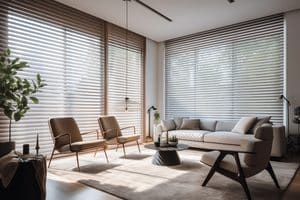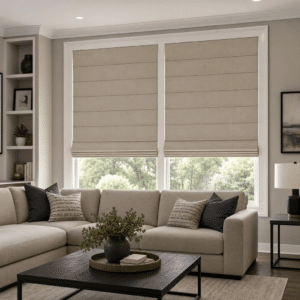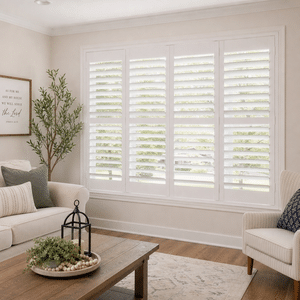
Houston window coverings are moving toward comfort-first design: treatments that look tailored, soften bright rooms, improve privacy, and help manage heat. The biggest shift is away from one-size-fits-all blinds and toward layered, custom-looking combinations of shades and drapes, natural textures, smart controls, and clean contemporary window styles. In a city known for sun, humidity, and long cooling seasons, the best choices are not just stylish window coverings; they are practical tools for daily living.
The Styles and Features Shaping Houston Windows
The leading trends are motorized shades, solar shades, woven textures, layered drapery, warm neutrals, Roman shades, and moisture-conscious materials such as faux wood in humid rooms. Local 2026 trend coverage for Houston points to warmer natural looks, automation, floor-to-ceiling drapery, and functional coverings that help with glare and heat, while the U.S. Department of Energy notes that interior shades and blinds can help reduce unwanted solar heat gain when used properly.
That combination explains why Houston homeowners are thinking beyond color and fabric. A good home decor window choice now has to answer several questions at once: How much light do you want? Do you need privacy from the street or neighbors? Is the window facing harsh afternoon sun? Will the material hold up in a humid kitchen, bathroom, or laundry area?

Smart and motorized shades are becoming everyday upgrades
Motorized shades used to feel like a luxury add-on, but they now fit the way many households actually live. They are especially useful for tall windows, wide glass doors, media rooms, nurseries, and west-facing rooms that heat up quickly in the afternoon. Current Houston-focused sources describe smart shades as a major trend because they can be scheduled, controlled by voice or app, and tied into home routines.
The appeal is simple: you do not have to remember to adjust every window. Morning light can come in automatically, afternoon sun can be blocked before a room overheats, and privacy can be set for evening. For busy households, that turns window coverings from a static design feature into a responsive part of the home.
Smart shades also support cleaner design. Without dangling cords or uneven manual adjustments, windows look calmer and more intentional. For modern blinds ideas, this is one of the most practical: choose a simple roller, solar, or cellular shade, then let the control system do the heavy lifting.
Layered shades and drapes create a more finished room
One of the strongest window treatment styles is layering: pairing a functional shade with decorative drapery panels. In Houston, this often means a solar shade or light-filtering roller shade underneath, with linen-look, velvet, or tailored drapes on top. Local design trend coverage notes that woven shades with drapery panels are popular because the combination adds warmth and polish without feeling overly formal.
Layering works because each piece has a job. The shade manages glare, privacy, or UV exposure during the day. The drapery adds softness, height, acoustic comfort, and a more complete design statement. When installed high and wide, drapery can also make ceilings feel taller and windows feel larger.
A few layered combinations that feel current include:
- Solar shades with ripple-fold drapes: clean, architectural, and ideal for large modern windows.
- Woven wood shades with linen panels: warm, relaxed, and well suited to transitional or organic modern interiors.
- Blackout roller shades with decorative drapes: practical for bedrooms, media rooms, and nurseries.
- Sheer shades with tailored side panels: soft and elegant without blocking all natural light.
The key is proportion. Drapes that are too short, too narrow, or mounted directly on the window frame can make the room look unfinished. Full-length panels, generous width, and hardware placed above the frame usually create a more elevated result.
Natural textures are replacing flat, cold finishes
Woven wood, bamboo-look, grasscloth-inspired fabrics, linen weaves, and slub textures are showing up because they make rooms feel warmer. After years of cool grays and minimalist white interiors, many homeowners want materials that add dimension without loud patterns. Recent 2026 window shade trend coverage highlights natural texture, woven wood, and organic materials as leading design directions.
In Houston, texture also helps balance large expanses of glass, tile, and open-plan spaces. A woven shade can soften a breakfast nook. A linen Roman shade can make a powder room feel considered. A natural-looking roller fabric can warm up a modern living room without competing with art, rugs, or furniture.
That said, natural materials need thoughtful placement. In rooms with persistent moisture, such as bathrooms and laundry areas, real natural fibers may be more vulnerable to warping, discoloration, or mildew. For those spaces, faux wood blinds, composite shutters, or synthetic woven-look fabrics often give a similar style with better durability.
Are blinds still in style, or are shades taking over?
Blinds are still in style when they are chosen with the architecture, moisture level, and maintenance needs of the room in mind. Shades are getting more attention for their clean lines, fabric options, and smart-home compatibility, but wood-look blinds, faux wood blinds, shutters, and slim contemporary blinds still work well in many Houston homes.
The outdated look usually comes from flimsy mini-blinds, bent slats, yellowed materials, or blinds that do not fit the window properly. A well-measured faux wood blind in a bathroom can look crisp and handle humidity better than some fabric treatments. A sleek horizontal blind in a study can provide excellent light control. A shutter can become part of the room’s architecture rather than just an accessory.
For a more current result, keep these blind updates in mind:
- Choose wider slats for a cleaner look. Narrow, busy slats can feel dated in larger rooms.
- Use faux wood strategically. It is a smart option for kitchens, baths, and other humid areas.
- Match the tone to the trim or flooring. This keeps the window from looking visually cluttered.
- Avoid cheap, shiny finishes. Matte, textured, or wood-look finishes feel more refined.
- Consider cordless or motorized controls. They look cleaner and improve everyday usability.
Solar shades make sense for Houston light
Solar shades are popular because they reduce glare while preserving some outward view. That makes them a strong fit for living rooms, home offices, breakfast areas, and any room where you want daylight without squinting at a screen. Houston trend sources call out solar shades as especially useful because they help manage glare and heat while keeping views open.
The openness factor matters. A lower openness fabric blocks more light and gives more daytime privacy, while a higher openness fabric keeps a clearer view but allows more brightness. For street-facing windows or bedrooms, solar shades may need to be paired with drapes, a liner, or a separate blackout layer because they are not designed for full nighttime privacy.
Color also changes performance and mood. Lighter fabrics usually feel airy and reflect more brightness, while darker solar fabrics often preserve a sharper view to the outside. The right choice depends on whether the room needs softness, contrast, privacy, or glare control.
Energy-aware choices are influencing style
Houston’s climate makes energy-aware design more than a buzzword. The National Weather Service lists Houston climate normals and records for George Bush Intercontinental Airport, and the Department of Energy identifies shading, daylighting, insulation, and efficient windows as important parts of keeping homes cooler, especially where air conditioning demand is high. (weather.gov)
That does not mean every room needs heavy blackout treatments. It means the window covering should match the exposure. South- and west-facing windows often need stronger heat and glare control. Bedrooms may benefit from lined drapes or blackout shades. Living areas may only need solar shades during the brightest hours.
Energy-conscious window treatment styles include:
- Cellular shades: useful when insulation and heat transfer are priorities.
- Solar shades: ideal for glare reduction and daytime comfort.
- Lined drapery: adds softness, privacy, and another barrier at the glass.
- Layered treatments: combine daylight, privacy, and room-darkening options.
- Automated schedules: help coverings respond consistently throughout the day.
The practical takeaway is to design by window orientation, not just by room. Two rooms with the same decor style may need different coverings if one faces shaded trees and the other faces intense afternoon sun.
Colors are warmer, softer, and easier to live with
The most current palettes are moving toward warm whites, oatmeal, sand, taupe, clay, greige, soft charcoal, and muted greens. These colors work well with wood floors, stone countertops, brass or black hardware, and the relaxed-modern interiors common in many updated Houston homes. They also age better than highly specific prints or bold colors tied to a short trend cycle.
This is where searches for window coverings trends 2023 can feel slightly dated. Earlier trend conversations leaned heavily into minimal roller shades, gray interiors, and crisp white-on-white schemes. The newer look keeps the clean lines but adds warmth through texture, layered fabrics, and softer tones.
If you want personality, add it carefully. A patterned Roman shade can be beautiful in a powder bath, child’s room, or breakfast nook. In larger open areas, quieter fabrics usually give you more flexibility as furniture and decor change.

Choosing the right trend for each room
The best trend is the one that solves the room’s actual problem. A beautiful woven shade may not be right for a steamy bathroom. A blackout shade may be perfect in a bedroom but too severe for a kitchen. A solar shade may be excellent in a home office but insufficient for nighttime privacy.
Use this quick room-by-room guide:
- Living room: solar shades with drapes, woven shades, or sheer shades for balanced light and style.
- Bedroom: blackout roller shades, cellular shades, or lined drapery for privacy and rest.
- Kitchen: faux wood blinds, composite shutters, or easy-clean roller shades.
- Bathroom: moisture-resistant blinds, shutters, or synthetic shade materials.
- Home office: solar shades to reduce screen glare while keeping daylight.
- Dining room: Roman shades or drapery panels for a more decorative statement.
- Patio doors: vertical cellular shades, panel tracks, or ripple-fold drapery for wide openings.
Before choosing, test fabric samples in the room at different times of day. Houston light can change dramatically from morning to late afternoon, and a fabric that looks soft in the showroom may feel too bright, too dark, or too transparent at home.
The best looks are tailored, not trendy
The most successful stylish window coverings in Houston are not necessarily the boldest ones. They are the ones that look integrated with the architecture, fit the window correctly, and support the way the room is used. That is why measuring, mounting height, lining, control type, and material choice matter as much as color.
If you want a safe formula, start with function: heat, glare, privacy, moisture, or darkness. Then choose the style language: soft and traditional, warm modern, coastal, organic, tailored, or minimalist. From there, you can decide whether the room needs shades and drapes, sleek blinds, shutters, or a layered treatment.
The latest Houston window covering trends point in a clear direction: more comfort, more texture, more automation, and more personalized design. Choose treatments that work with the city’s bright, humid climate and your home will feel cooler, calmer, and more finished every day.
If you’re ready to update your Houston home with window treatments that combine current style with everyday comfort, the right solution starts with understanding how each room handles light, heat, privacy, and humidity.
Bottom Dollar Blinds offers custom shutters, blinds, shades, solar screens, and motorized window treatments designed around the needs of Houston-area homes. Contact our team for a free estimate and let us help you choose window coverings that fit your space, your style, and the way you live.